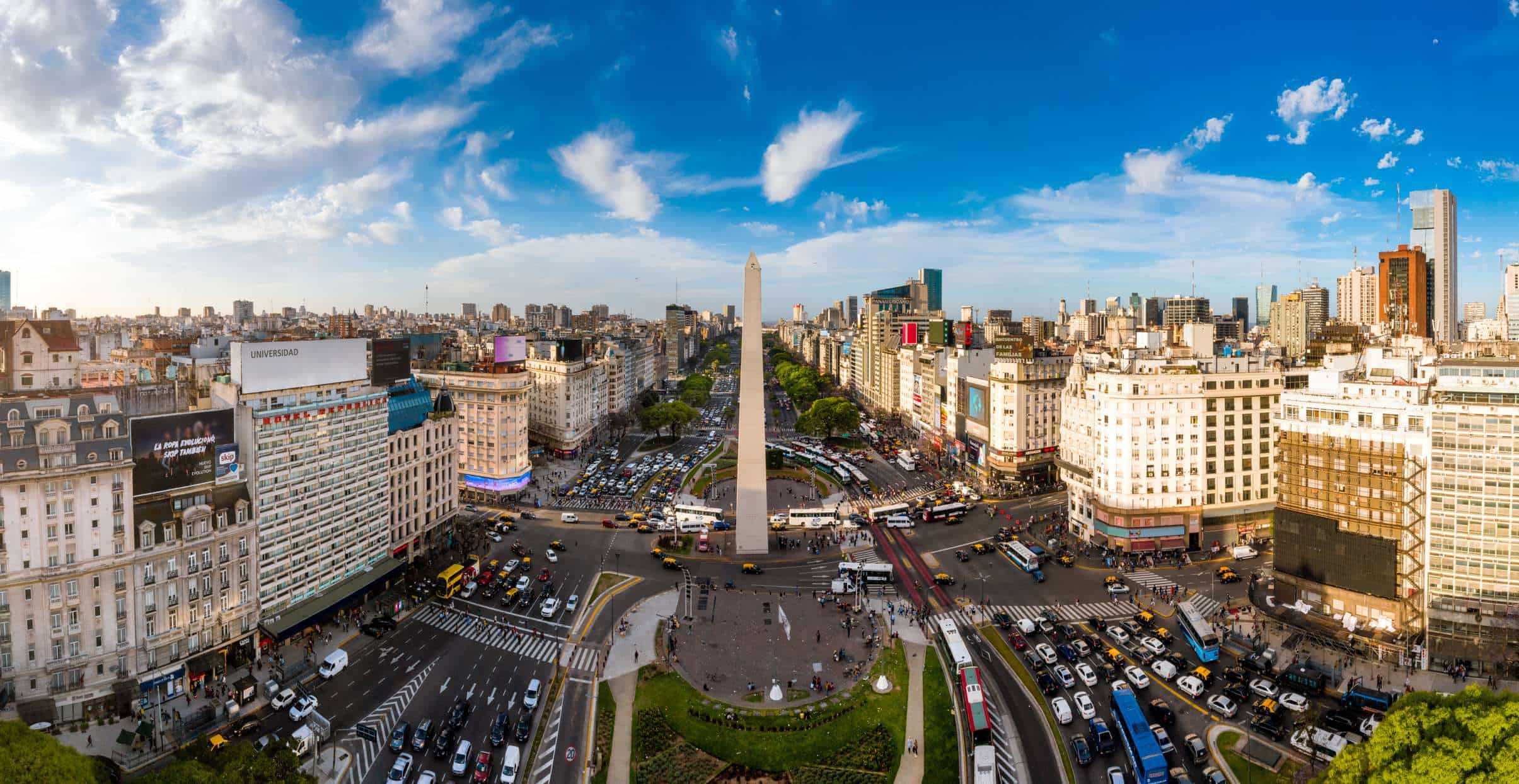
Buenos Aires pulses with a unique energy where European elegance meets Latin American passion. Beyond the obvious tourist circuits, the city reveals itself through intimate neighborhood cafés, expansive green spaces, and cultural treasures tucked away on cobblestone streets. This guide showcases both iconic establishments and authentic local experiences that capture the true spirit of the Argentine capital.
Iconic Cafés with Soul
Café Tortoni remains the heart of Buenos Aires’ intellectual and cultural heritage. Inaugurated in 1858, this French-style institution on Avenida de Mayo has hosted writers, artists, and politicians for over 160 years. The café features live tango performances and maintains its Belle Époque elegance while serving excellent coffee and delicious postres (desserts). Reservations are recommended for lunch and dinner.
Las Violetas stands as another nineteenth-century institution, offering an elegant atmosphere perfect for afternoon tea service or full meals. Located on Avenida Rivadavia, this cafetería specializes in carefully curated tea selections, quality coffee, and traditional Argentine sweets. The terrace seating provides a quintessential Buenos Aires experience, and it’s open nearly round-the-clock, from early morning through the following midnight.
La Biela Recoleta captures the neighborhood’s sophisticated essence with its bright, luminous interior and classical Argentine dishes. Situated near the iconic Recoleta Cemetery, this historic café has become a beloved gathering spot for both residents and visitors, offering excellent pastries and wines alongside its renowned coffee.
For those seeking authenticity off the tourist trail, Café Boheme in San Telmo provides a refreshingly modern take on specialty coffee culture. With a perfect 4.9 rating from locals, this intimate café features excellent espresso drinks, vegetarian options, and a relaxed atmosphere ideal for working or lingering over conversation. Confitería La Ideal and El Gato Negro similarly embody the working-class café tradition, beloved by porteños for their consistent quality and atmospheric charm spanning decades.
Green Escapes and Urban Parks
Jardín Botánico Carlos Thays offers seven hectares of botanical sanctuary featuring rare plant species from across the continent. Guided tours lead through botanical collections, greenhouses, and native gardens that transform this space into a living museum. Open daily with children’s activities offered on select days, the botanical garden remains one of Buenos Aires’ most peaceful urban retreats.
Parque Tres de Febrero, locally known as Bosques de Palermo, sprawls magnificently across the city’s heart with picturesque lakes, a celebrated rose garden, planetarium, and extensive walking paths. Open twenty-four hours, this expansive green space accommodates everything from paddle boating and inline skating to family picnics and dog walks, making it equally welcoming to morning joggers and evening strollers.
Parque Lezama sits gracefully between San Telmo and La Boca, providing beautiful gardens, monuments, and statuary alongside tree-lined promenades and children’s play areas. This historic park, equally open around the clock, combines recreational amenities with cultural atmosphere and serves as the gateway to Buenos Aires’ oldest neighborhoods.
Ecoparque Buenos Aires represents Buenos Aires’ transformation of its former zoo into a modern ecological park featuring native plant species, open habitats, and preserved animal collections. The winding trails through natural landscapes provide an educational alternative to traditional parks, complete with picnic areas and family-friendly pathways.
Parque Mujeres Argentinas lines the riverfront with skateboarding ramps, athletic tracks, and kayaking access along the Puerto Madero waterfront. This modern recreational space combines sports infrastructure with riverside promenades, offering a distinctly contemporary urban park experience.
The Jardín Japonés provides a cultural departure within the city itself, featuring authentic Japanese landscapes, ornamental ponds, plant exhibitions, and an on-site sushi restaurant. The serene design philosophy creates an oasis that contrasts sharply with surrounding urban energy.
Hidden Gems Worth Discovering
El Zanjón de Granados reveals layers of Buenos Aires history beneath the present-day streets. This archaeological site preserves tunnels, cisterns, and foundations dating from the 1536 colonial settlement, with guided tours navigating through underground passages that shaped the city’s development. The restored labyrinths offer a unique perspective on urban archaeology, transforming this San Telmo location into a must-visit for history enthusiasts.
Complejo Histórico Cultural Manzana de las Luces occupies an entire city block with ancient churches, historic missions, and an underground network of colonial tunnels. This cultural center hosts live performances and exhibitions within a compound that captures centuries of Argentine institutional history in a single location.
Fuente Monumental Las Nereidas represents an overlooked sculptural gem in Puerto Madero. Created in 1903 by artist Lola Mora, this Renaissance-style marble fountain featuring a Venus statue remains accessible around the clock and provides a romantic counterpoint to the neighborhood’s modern architecture.
Museo Histórico Nacional del Cabildo y la Revolución de Mayo occupies a colonial government building housing artifacts from Argentina’s War of Independence and the May Revolution. The museum transforms its historic architecture into a repository of patrimonial items reflecting formative moments in Argentine history.
Parque Rivadavia Book Market, operating since 1953, creates an open-air bibliophile’s paradise in Caballito. This large market, largely unknown to most tourists, features dozens of independent bookseller kiosks specializing in everything from philosophy to comic books, offering opportunities to unearth both lost literary gems and valuable antiques among usually dusty boxes.
Neighborhood Experiences Beyond the Center
San Telmo pulses as the city’s most atmospheric and bohemian district, its cobblestone streets lined with colonial buildings that have sheltered tango culture, artists, and musicians for generations. The neighborhood’s weekend Feria de San Telmo and Feria de Antigüedades de Plaza Dorrego transform public squares into vibrant markets selling antiques, handmade crafts, and local art. The Mercado San Telmo, dating to 1897, offers traditional Argentine cuisine from market vendors, while nearby streets hide art galleries, vintage boutiques, and neighborhood cafés serving authentic porteño culture.
Caballito represents the true residential Buenos Aires, offering middle-class authenticity far from tourist clusters. Parque Centenario anchors this leafy neighborhood with its large lagoon and cultural attractions, while Patio de los Lecheros has evolved into a trendy gathering spot featuring food trucks, brewery gardens, weekend markets, and live music. The Mercado del Progreso continues functioning as a historic market, and the Barrio Inglés preserves elegant 19th-century British architecture.
Belgrano radiates from Plaza Manuel Belgrano as a large, tree-lined neighborhood blending historic colonial architecture with contemporary cultural spaces. Weekend artisan fairs surround Inmaculada Concepción Church, known locally as La Redonda for its striking circular design, while museums like Museo Sarmiento and Museo de Arte Español Enrique Larreta anchor cultural exploration.
Reserva Ecológica Costanera Sur offers a nature escape worlds apart from urban bustle, with trail networks inviting walkers, joggers, and cyclists through wetlands where native birds and even capybaras inhabit a protected riverside ecosystem.
Food Markets and Street Culture
Beyond traditional restaurants, San Telmo Market at Defensa 963 captures the authentic spirit of Argentine street food culture, with specialized vendors perfecting traditional empanadas, grilled meats, and regional specialties across generations. The market’s Sunday street fair extends the experience with local vendors selling everything from artisanal crafts to homemade goods.
Practical Guidance
These establishments and neighborhoods operate as a network reflecting Buenos Aires’ genuine character. Reservations enhance experiences at historic cafés during peak hours, while neighborhood exploration rewards early morning visits before crowds arrive. Public transportation efficiently connects disparate neighborhoods, and walking remains the optimal method for discovering the details that reveal a city’s true soul. The combination of grand parks, intimate cafés, and bohemian neighborhoods creates a Buenos Aires experience extending far beyond postcards—one grounded in the everyday rhythms of porteño life.